I first started taking a keen interest in foraging in 2006, when I read Richard Mabey’s fantastic guide ‘Food for Free’. As I began to acquaint myself with the many wild foods he presents, I found myself particularly drawn to one description, that of the Wild Service Tree Sorbus torminalis. He describes the berries of this tree as tasting ‘unlike anything else which grows wild in this country, with hints of damson, prune, apricot, sultana and tamarind.’
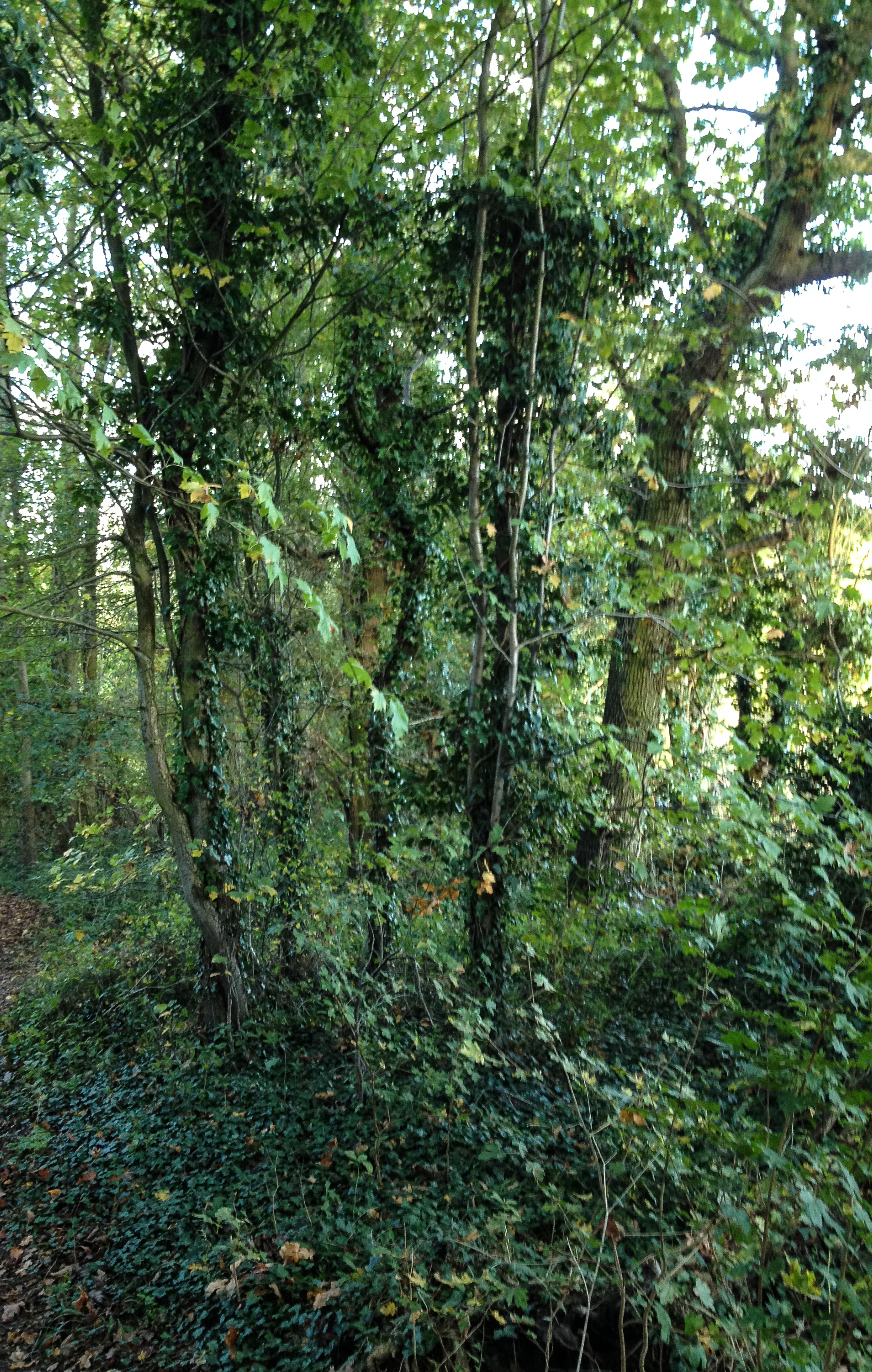
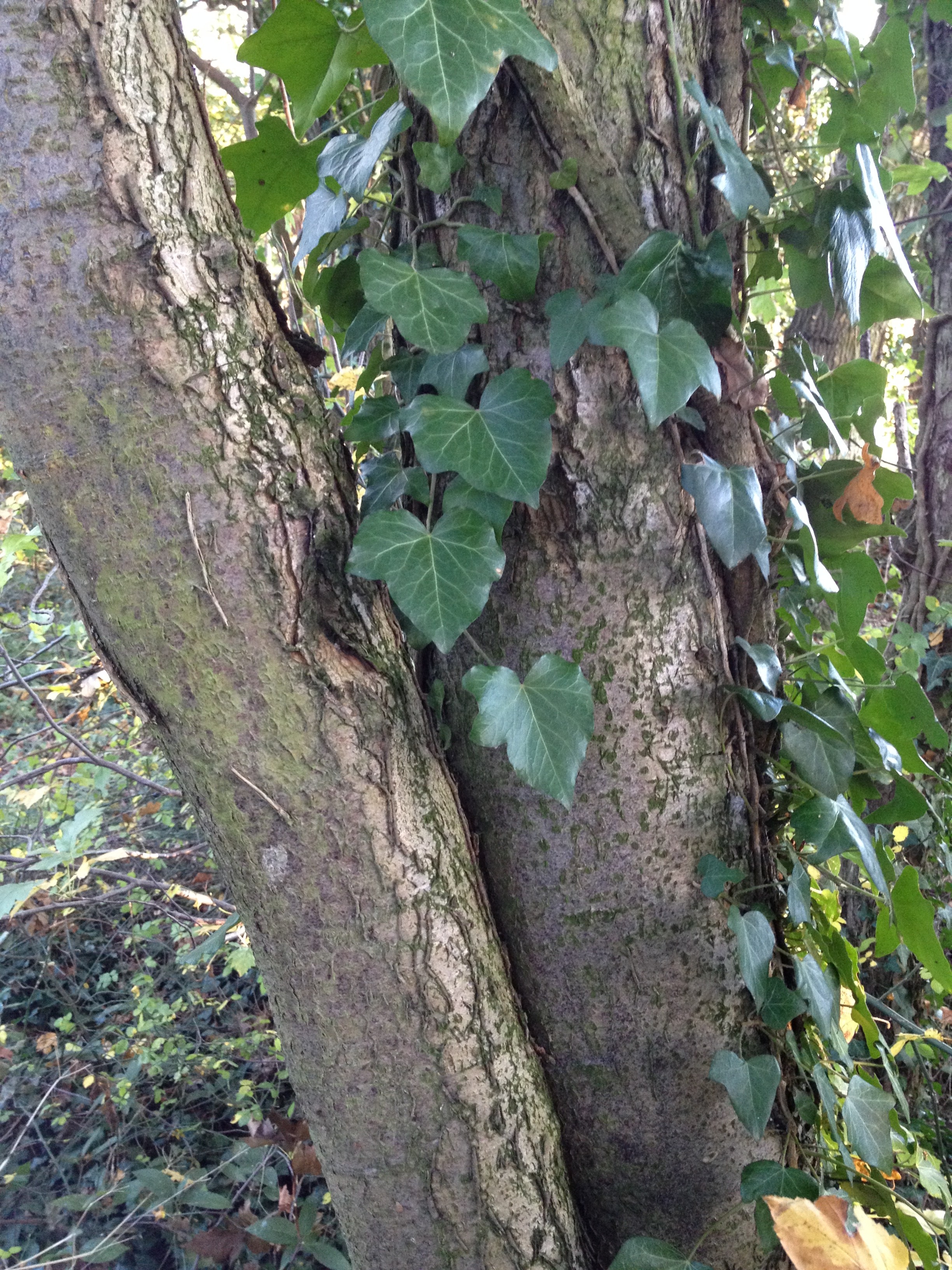
Such a description sounded very appealing and, from then on, I have been on the lookout for the tree and its unique fruits. However, as a tree of ancient woodland, it appears to be quite scarce and so, despite always keeping an eye out on my travels, it had eluded me. Imagine my surprise when three specimens turned up in a small wood, a five minute walk from my house!
I had been foraging for local wild foods as part of a presentation I was giving to the local youth club that evening, when I happened across what looked like some fallen maple leaves, but with berries attached instead of the normal ‘helicopter’ seeds. On further inspection, it suddenly dawned on me that I had finally found the object of my 8-year search.
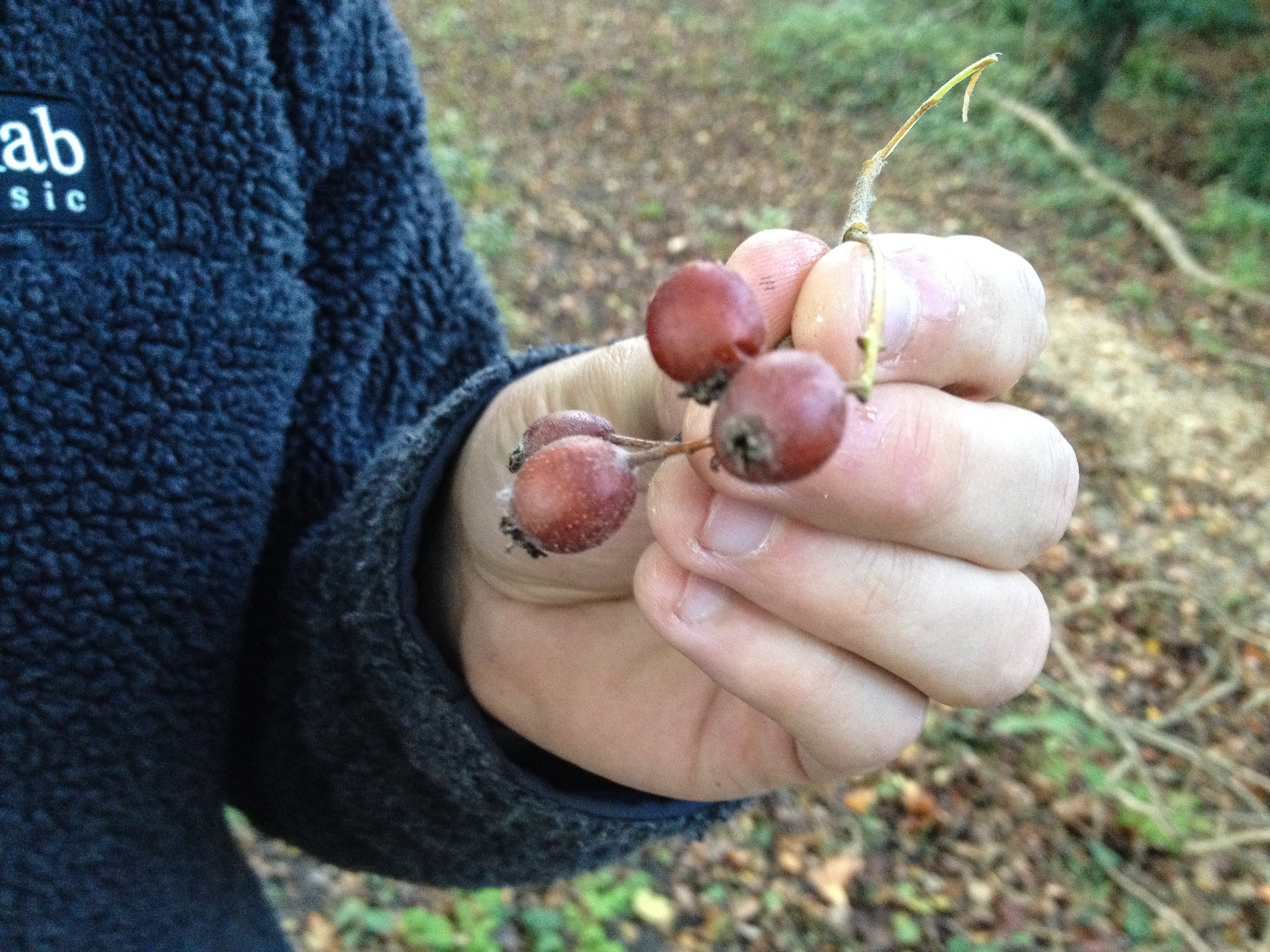
So, did the berries live up to my expectations? In this case, I’m happy to say that they definitely did. The taste is sweet and sour, with definite hints of tamarind, but also raisin, and a fermented flavour akin to a nice citrusy craft beer!
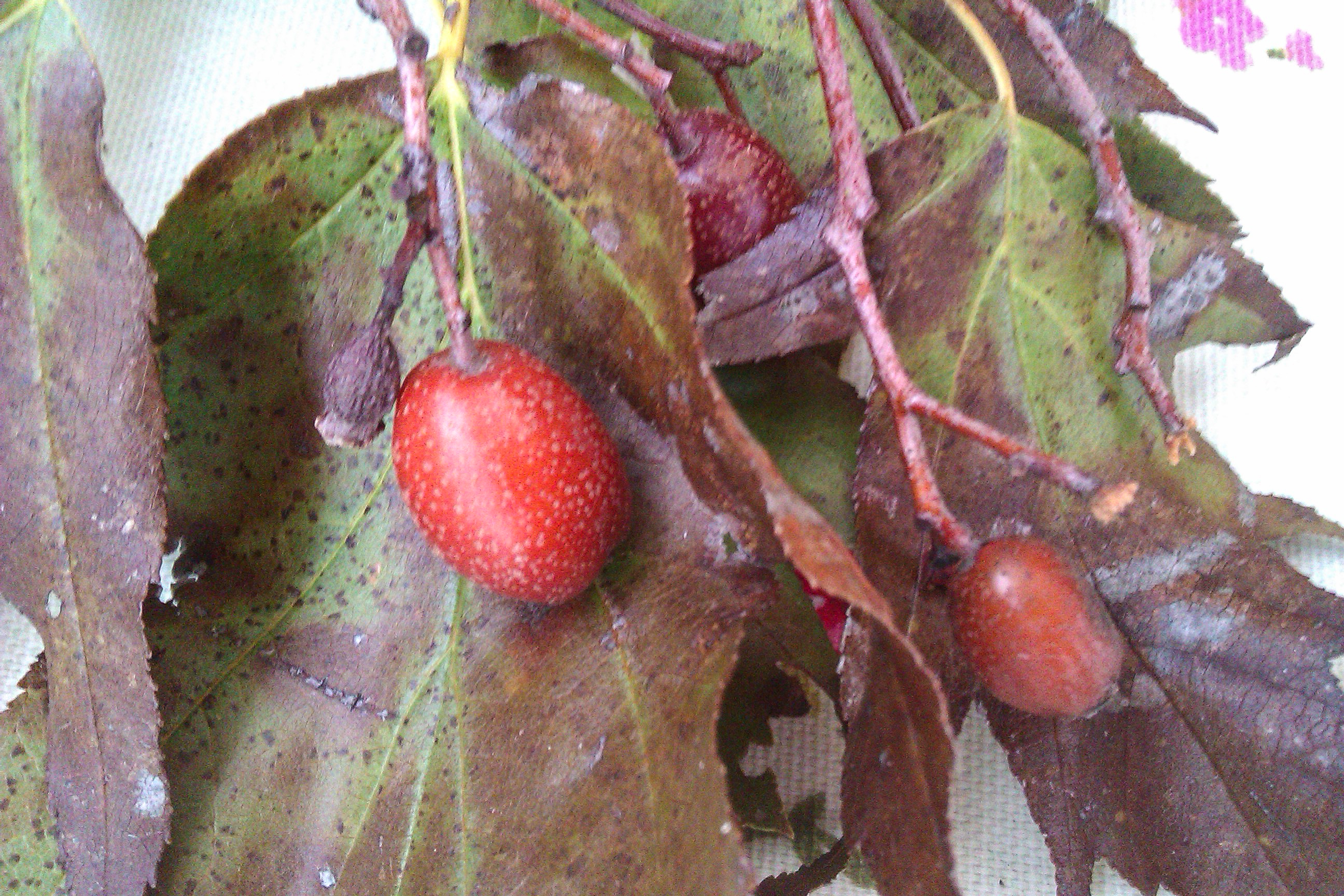
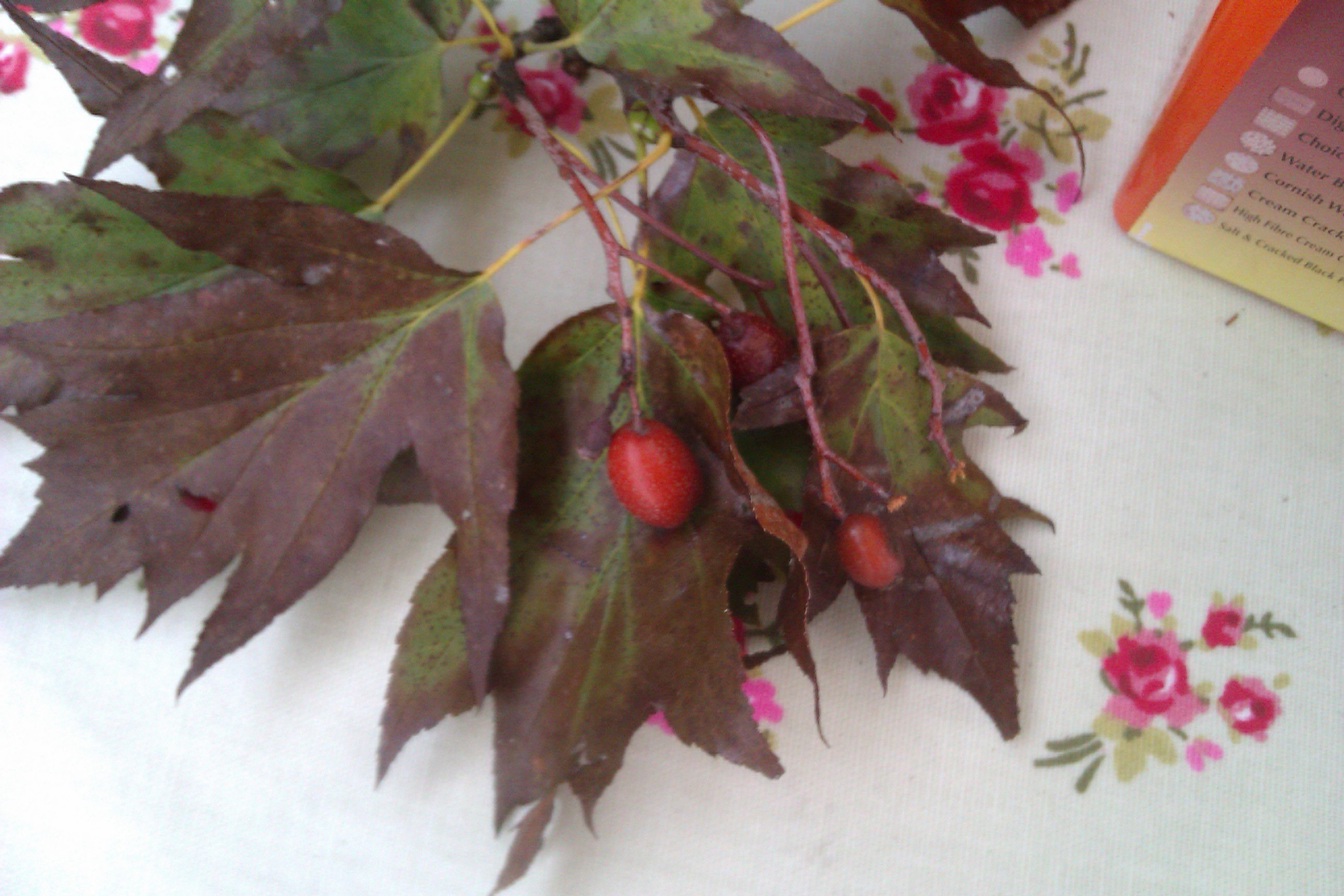
The key thing with the berries (also called chequers) is to eat them after they have ‘bletted’, which means allowed to ripen and turn soft after being exposed to the first frost. Before that they are hard, greenish-brown and bitter, but after they turn soft and reddish brown. The small seeds inside can be eaten too, with a subtle almond flavour. Apparently, there is evidence of the fruits being eaten by Neolithic people, and were popular in shops and markets until the nineteenth century, being favoured by children before the appearance of sweets.
Next year I will collect the berries while still green, as many had already been taken by birds this year, and tie to a stick which is then hung in the garden to allow the berries to blett. If i can find enough, I will also have a go at making chequerberry beer. The recipe Richard Mabey gives uses ripened berries and sugar, in the ratio of 1lb to 5lb, shaken in a jar and left to ferment until the juice comes to the top and then improving further with age. I try to avoid refined sugar, so I’d like to try it with local honey, or perhaps go for the healthy vegan option and use coconut sugar.
If you want to find your own Wild Service Tree, Richard Mabey and Miles Irving describe its features as follows: it can be up to 25m, with leaves having 3-4 pairs of toothed pointed lobes. The berries appear in September and resemble tiny russet apples or pears. It can be found in ancient woods and hedgerows on limestone soil in the West of the UK and on stiff clay in the South and Midlands. Sadly, it does not grow in Scotland, except at one site in Moray where it has been introduced.